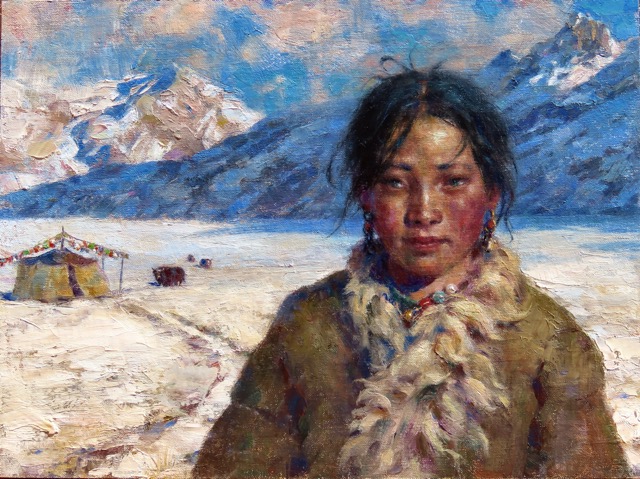
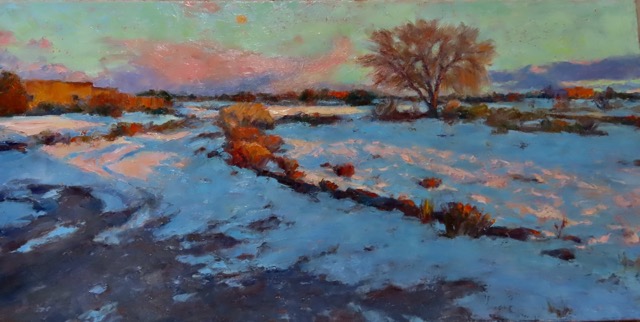
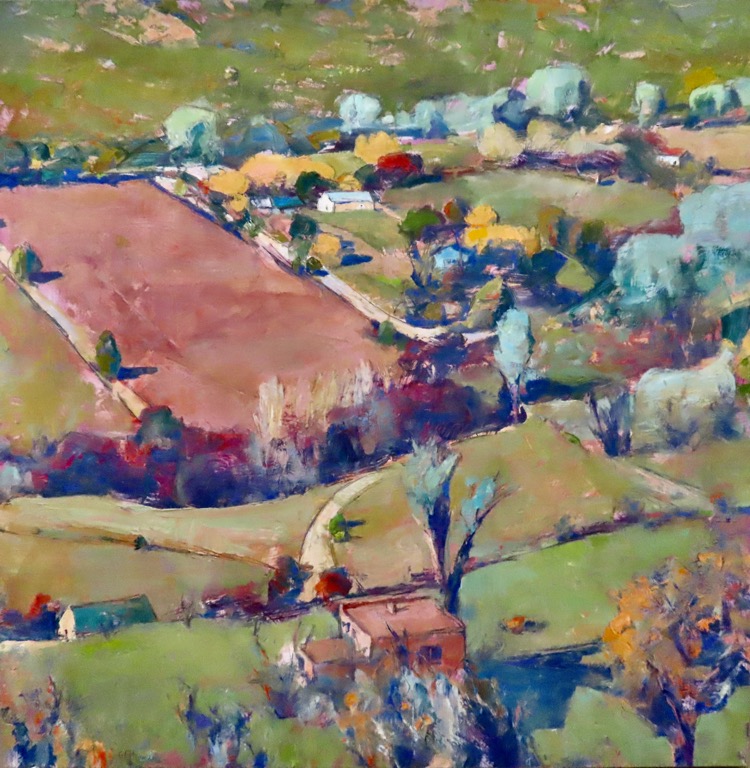
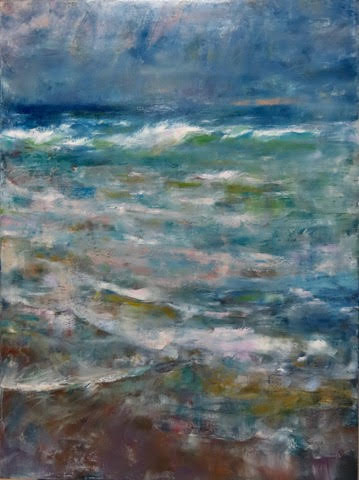
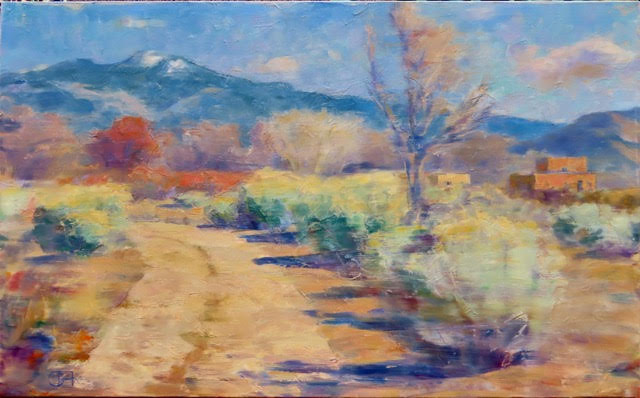
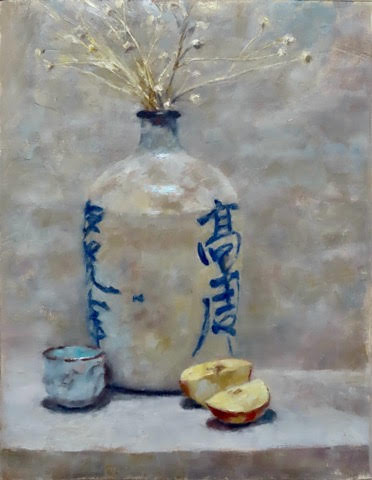
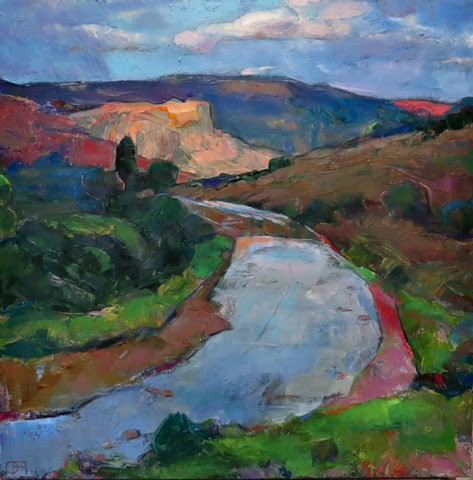
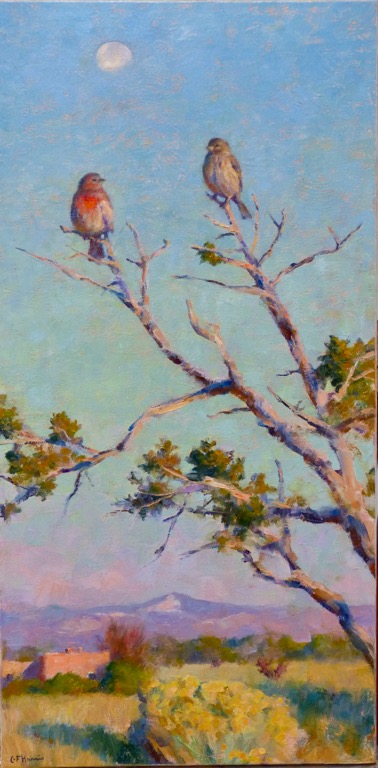
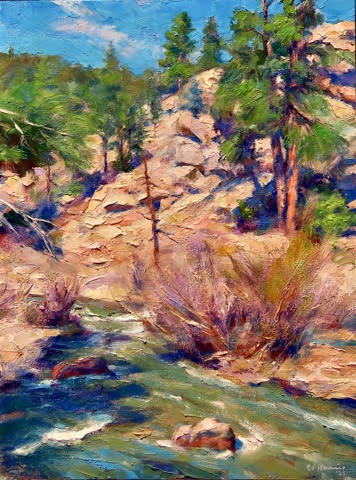
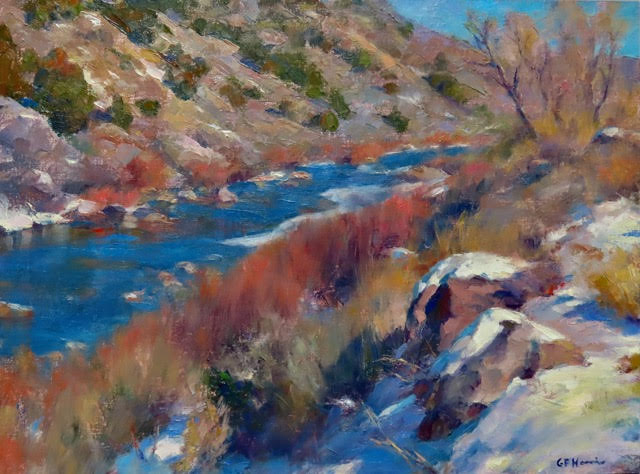
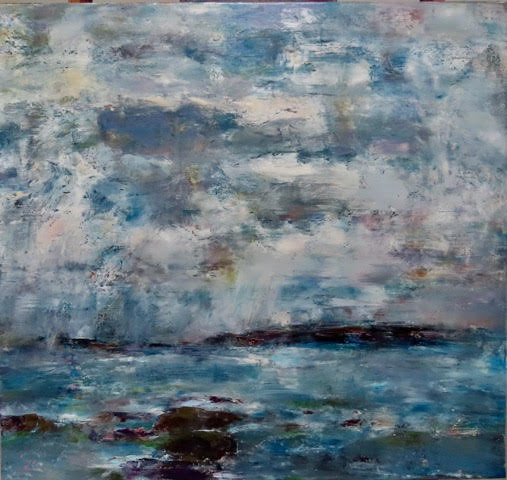
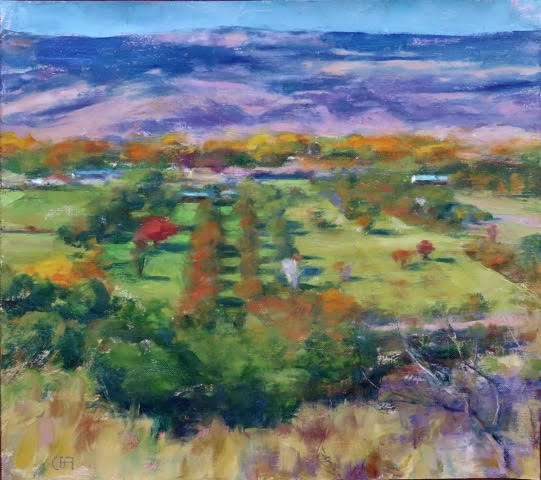
Gregory Frank Harris, a versatile artist born in California in 1953, demonstrates an extraordinary journey through art. A prodigy from a young age, mastering drawing, piano, and sculpting, Harris evolved into a multifaceted talent. His exploration of impressionistic techniques led to the creation of his unique 19th-century style paintings, earning recognition in galleries nationwide. His artistic ventures span landscapes, figurative works, and abstracted renditions, reflecting influences from classic masters to contemporary icons like Warhol and Basquiat. His dedication extends beyond art, generously supporting various local charities with numerous donated artworks.
GREGORY FRANK HARRIS: Master of Impressionism and Abstracted Landscapes
A versatile visionary, Gregory Frank Harris has spent a lifetime mastering the interplay of light, texture, and emotion, seamlessly bridging the gap between classical 19th-century realism and contemporary abstract expressionism.
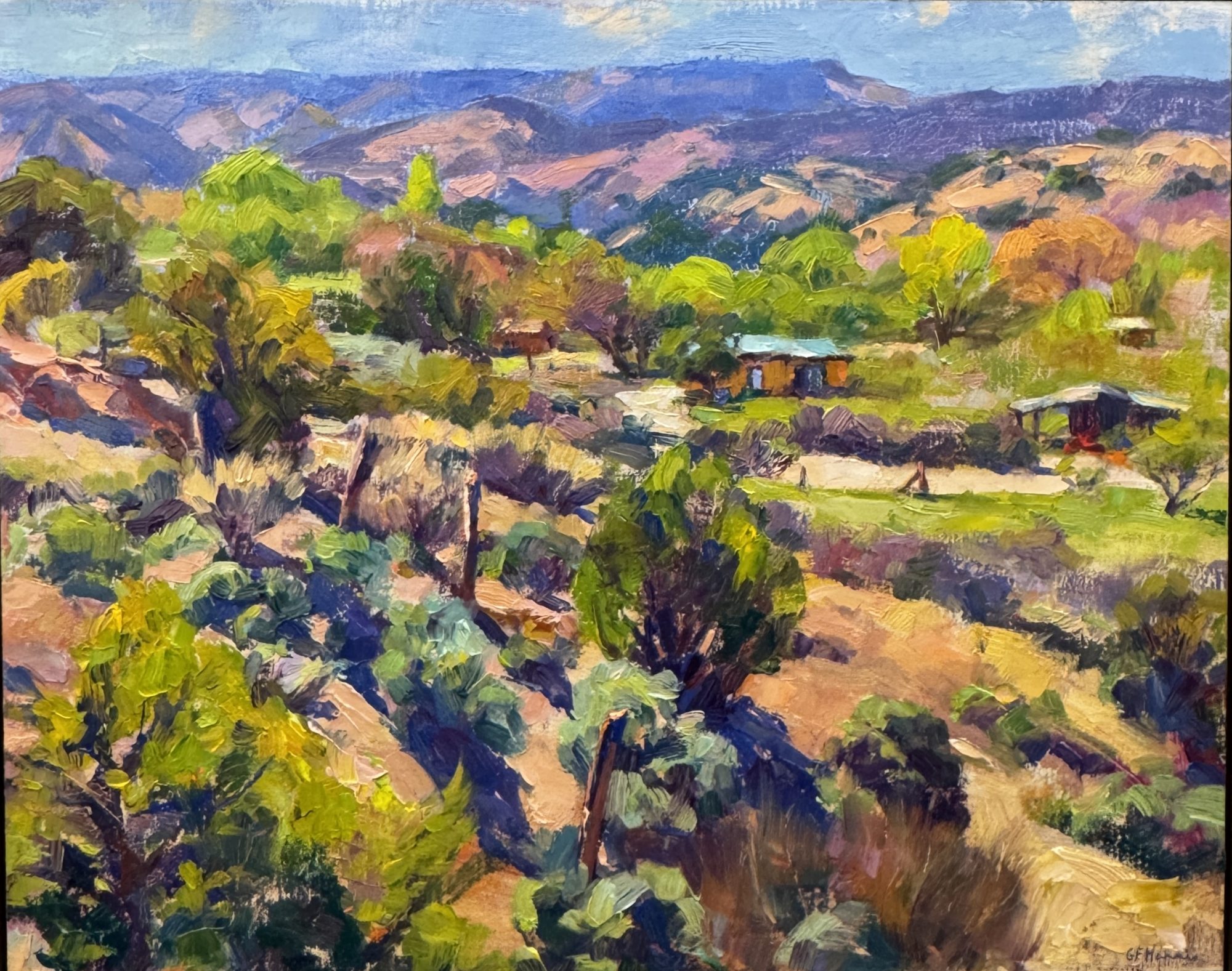
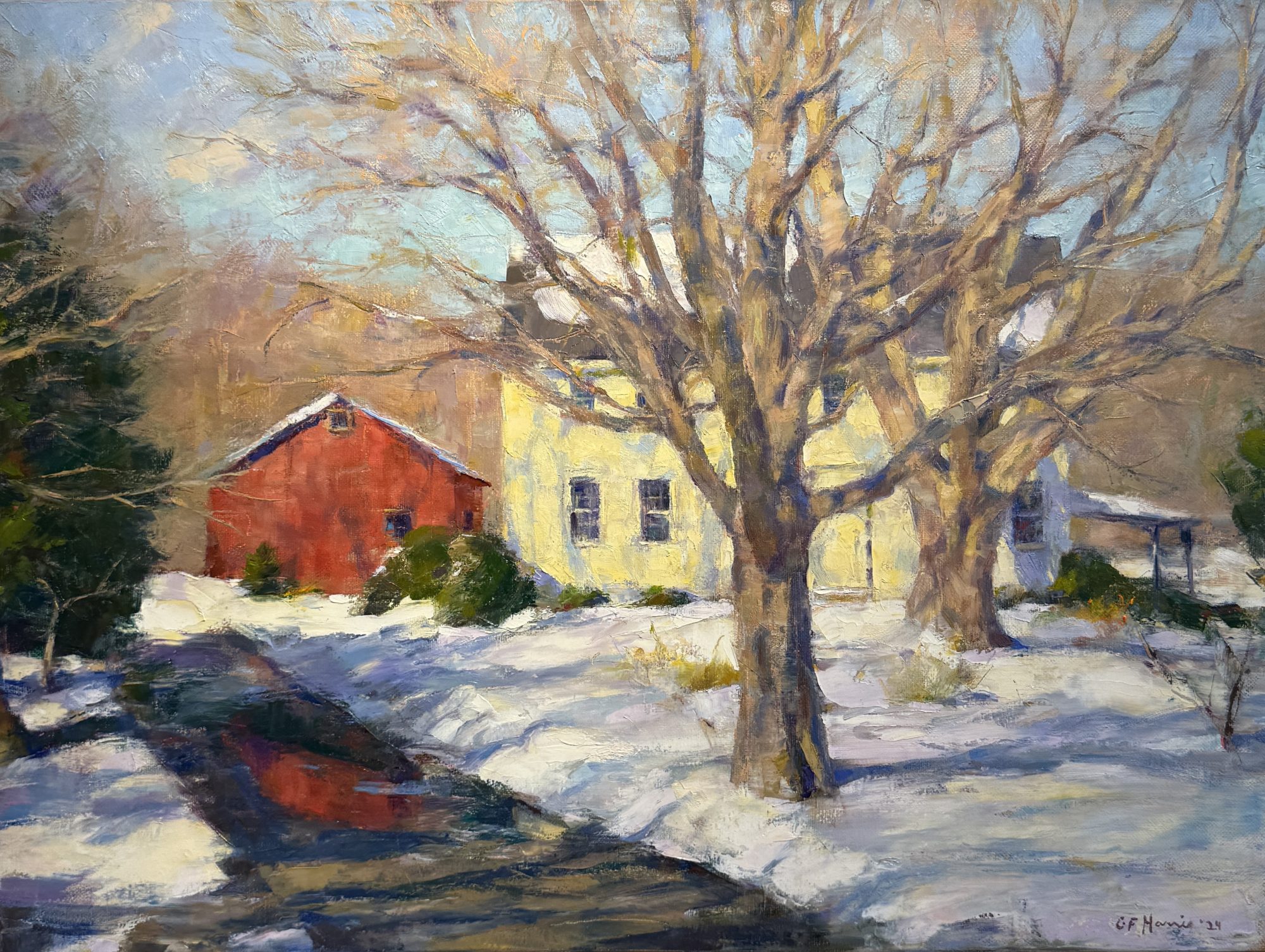
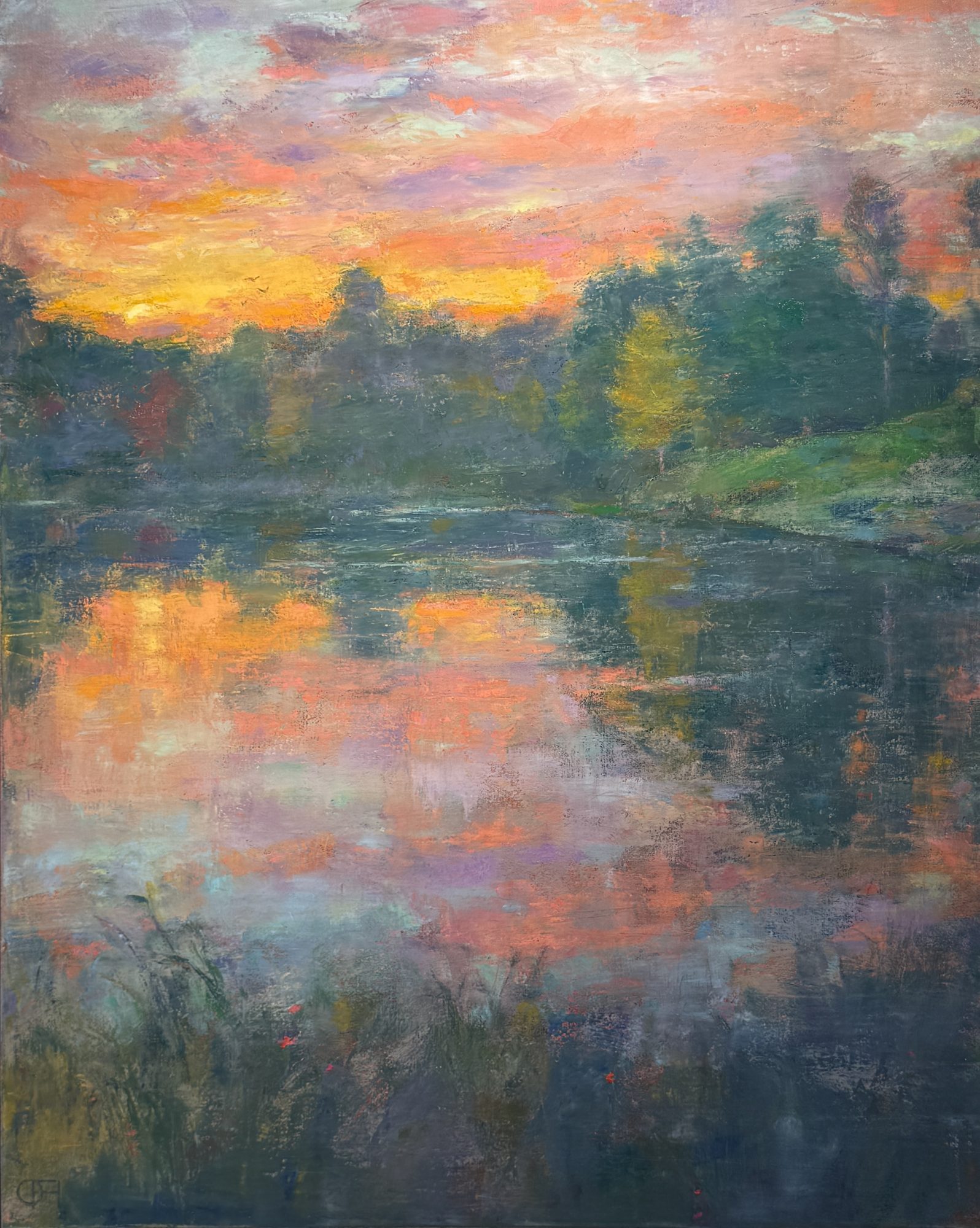
Gregory Frank Harris is a highly celebrated American fine artist whose extraordinary career spans multiple disciplines and distinct stylistic eras. Today, he is widely recognized for his contemporary abstracted landscapes and masterful impressionistic figurative paintings, which capture the luminous beauty of the natural world and the nuanced elegance of the human form.
A Multidisciplinary Prodigy
Born in Downey, California, in 1953, Harris’s creative genius was evident almost immediately. By age five, he was already drawing and sculpting, and by eight, he had taught himself to play the piano by ear. Surrounded by a deeply creative family—including an artist mother and siblings who excelled in music, art, and acting—Harris naturally gravitated toward a life steeped in the arts, excelling in theater, music, and ceramics throughout his youth.
The Golden Age of Impressionism
While working as a professional musician in the 1970s, a chance encounter with John Rewald’s book, The History of Impressionism, profoundly altered Harris’s trajectory. Deeply inspired, he began experimenting with impressionistic painting techniques, ultimately developing a highly sought-after 19th-century American Impressionist style.
His classical mastery was so refined that his meticulously crafted copies of Old Master paintings—including Gainsborough’s The Blue Boy—were purchased by Columbia Motion Pictures for the 1982 film Annie. Soon after, his original impressionist oils, pastels, and watercolors were being acquired by prestigious galleries across the United States.
Plein Air and the Shift to Modernism
Never one to rest on his laurels, Harris continued to push his boundaries. In the 1990s, he immersed himself in plein air painting, studying the bravura brushwork of Russian master Nicolai Fechin and acclaimed landscape painter Richard Schmid. However, a deep curiosity about modern and contemporary art—specifically the works of Warhol, Basquiat, and Rauschenberg—began to reshape his vision.
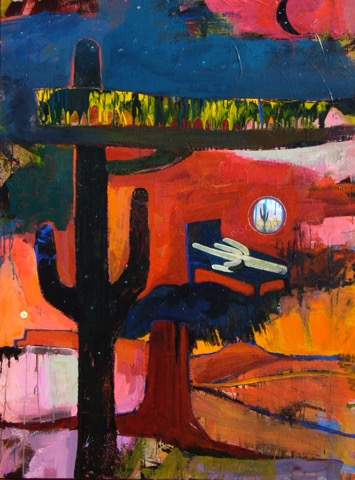
The true turning point in his current style occurred in 2002. Inspired by German modernist Gerhard Richter, Harris began experimenting with squeegees and unconventional tools to apply paint. This marked the beginning of his thrilling journey into the realm of landscape as abstraction.
Acclaim and Santa Fe Representation
Today, Harris works from his studio in the historic art hub of Santa Fe, New Mexico. His heavily textured, evocative abstract landscape paintings strip away the rigid details of nature, leaving behind a pure, emotional resonance of color and light.
A highly collectible staple of the Santa Fe fine art scene, Harris’s work has been prominently featured in leading art publications. He graced the cover of Southwest Art magazine in 2009, was featured in the book Art Journey New Mexico, and was highlighted in American Art Collector’s “Southwestern Light” feature in 2016. Beyond the canvas, Harris is a dedicated philanthropist, donating numerous original artworks to local Santa Fe charities.
Discover the breathtaking, contemporary abstracted landscapes of Gregory Frank Harris, proudly represented by Acosta Strong Fine Art in Santa Fe, New Mexico.